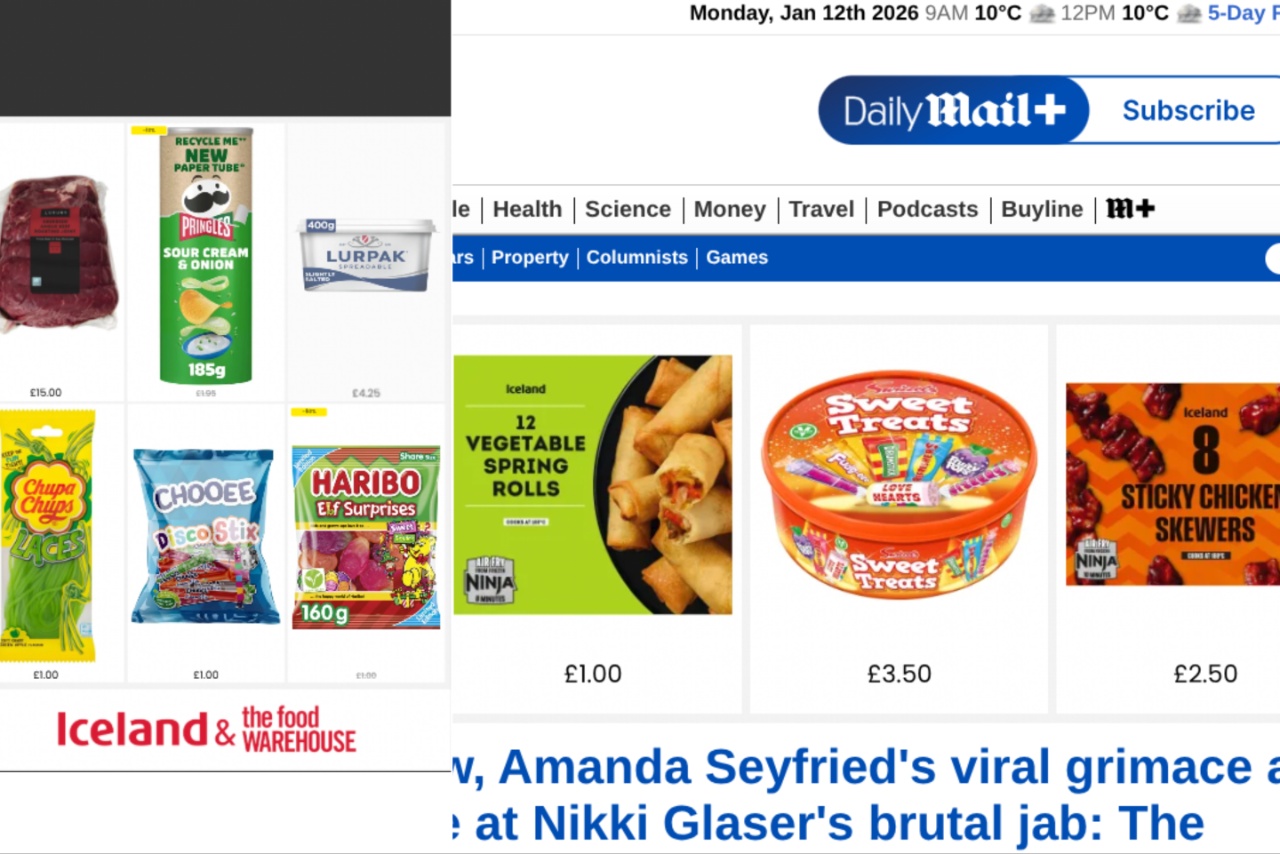
On 5 January 2026, new rules in the CAP and BCAP Codes on the advertising of "less healthy" food and drink products came into force. Foods and drinks are assessed using the UK government's Nutrient Profiling Model (NPM). Products scoring above certain thresholds, and within particular categories of product, are classified as less healthy. The Advertising Standards Authority (ASA) has now published its first four rulings under the new rules, and these provide some very helpful indicators about how the ASA is going to interpret and apply the new rules.
German Doner Kebab
The first ruling was about a paid Instagram post by influencer (Big) John Fisher promoting the opening of a German Doner Kebab (GDK) restaurant in Romford and featuring several menu items, including an Inferno OG chicken, a rice bowl with chicken, a chicken doner burrito and a junior OG kebab. The issue was whether the ad breached the new rules. GDK confirmed that the post was a paid ad and said it had carefully limited the featured items to those that were not less healthy, providing nutrient profiling calculations to support this. The ASA accepted this evidence, found that none of the foods shown were classed as less healthy under the rules, and concluded that the ad did not breach the CAP Code. It also decided that the appearance of a Diet Coke was incidental and consumers could not reasonably be expected to identify that the ad was for Diet Coke. Therefore, it did not uphold the complaint. You can watch the ad here, and as you will see, Big John is a fine example of someone following a healthy lifestyle.
On the Beach
The ASA also rejected a complaint about a television advert for On The Beach that aired before 9pm and briefly showed a child taking a chocolate doughnut from an airport lounge buffet. The complaint challenged whether the ad was for an identifiable "less healthy" food product and therefore breached the new restrictions. The ASA agreed with On The Beach (and Clearcast) that the ad's primary focus was on promoting its holiday packages and the added benefit of free airport lounge access, rather than on any specific food item. It also noted that the doughnut appeared only momentarily, formed part of a wider buffet setting and was not given any narrative or visual emphasis. As a result, the ASA concluded that the inclusion of the doughnut was incidental and that the ad was not for an identifiable less healthy product, meaning it did not breach the Code. However, the ASA noted that the fact that the advertiser was a travel company rather than a food company, didn't mean that the ad was out of scope.
Funnily enough, I remember seeing this ad, which you can watch here, and thinking that it normalized childhood obesity. The little boy is seriously overweight and should not be 'filling his boots' with a massive chocolate donut. Even if the ad does not breach the very technical new rules about advertising for less healthy foods, how well does it sit with the Code rule about social responsibility? Are we allowed to say that overweight children should not be encouraged to eat large chocolate donuts, whether identifiable or not? Or is that fat-shaming? And what is the point of the new rules if this is still allowed?
The other two advertisers fared less well, with both complaints resulting in an upheld ruling.
Iceland