


HAT, the History of Advertising Trust, is celebrating its 50th birthday. As a recently appointed Trustee of HAT, I was delighted to be invited to attend the recent birthday bash at the Institute of Practitioners in Advertising (IPA). It was a wonderful evening, attended by the great and the good of the British advertising industry, or at least those who lived through the halcyon days of the 1970's and 80's, and lived to tell the tale.
A whole series of prizes were awarded, but the Grand Prix, so to speak, was for 'Most Iconic Ad of the last 50 years.' The short list comprised four truly excellent pieces of work: Hovis Bike Ride, Hamlet Photobooth, Guinness Surfer and Cadbury's Gorilla.
It was fun to see these great ads again, but it was striking that the youngest of them was made in 2007 and that three of the four agencies that made them no longer exist in the same form. From the point of view of an advertising lawyer, the most striking aspect was that three of the ads could not be shown in the same form today, or at least not without media restrictions.
Hovis Bike Ride (1973)
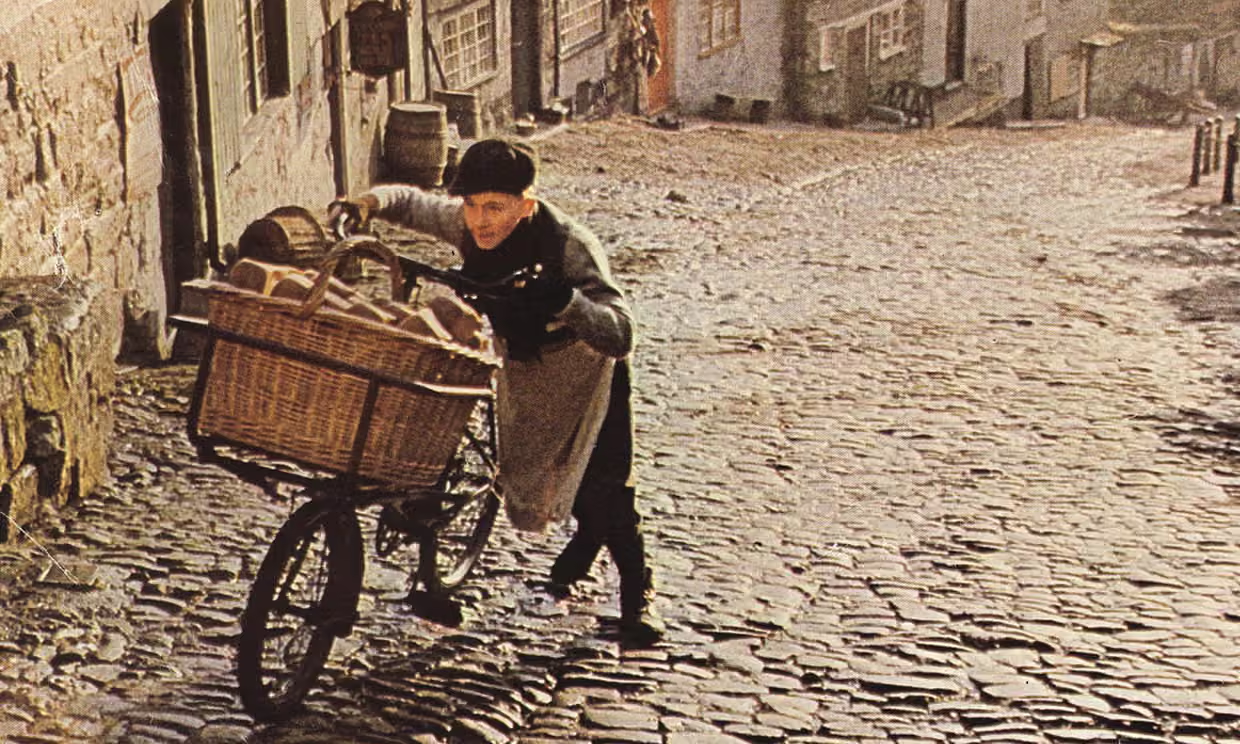
The oldest of the four is Hovis Bike Ride, released in 1973 and famously directed by Ridley Scott, before he was a knight of the realm and celebrated director of movies such as Alien, Blade Runner and Gladiator. The agency was one of the most creatively successful from the period that marked the pinnacle of the British advertising industry, Collett Dickenson Pearce (CDP), who gave us tag lines including "Happiness in a cigar called Hamlet", "Land Rover - The best 4 x 4 x far" and the timeless, "Heineken refreshes the parts other beers cannot reach". Sadly, CDP closed its doors in 2000. Like many people, I had mistakenly believed the ad was set in Yorkshire, not least because the soundtrack, Dvorak's New World Symphony, was performed by the Ashington Colliery Band (although the geographers amongst you will know that Ashington is in Northumberland, not Yorkshire). In fact, the ad was filmed on Gold Hill, in Shaftesbury, Dorset. The voice-over was delivered with a west country burr by Howard Lang, better known as Captain Baines from the 1970's seafaring drama, The Onedin Line. Consistent with the geographical confusion, Mr Lang was born in Marylebone and died near where I live, in West Hampstead, North-West London. So, no West Country connection at all, let alone a Yorkshire one. Typical actor. He probably wasn't even riding the bike.
However, it is not the potentially misleading geographical designation of origin that would concern the Advertising Standards Authority. Nor is it the concerns about the risk of children emulating the boy freewheeling down the hill on his bicycle without a helmet, fluorescent tabard or other safety equipment. In fact, emulation by the youth of today would be fine thing. Now they're all on e-scooters and would have zipped up Gold Hill with ease. The problem comes with the comparison against unnamed competitors, "Hovis still has many times more wheat germ than ordinary bread", followed up by the general health claim made at the end of the ad, "It's as good for you today as it's always been." Clearcast wouldn't stand for it now, not without the accompanying appropriate specific authorised health claim from the Nutrition and Health Claims Register.
Hamlet Photobooth (1986)
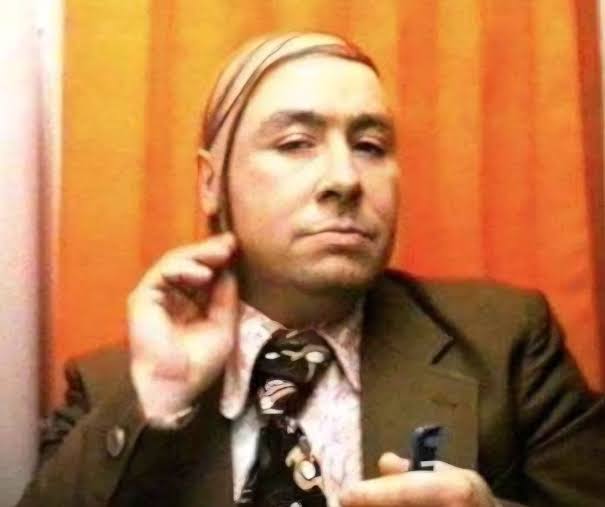
The next ad, in chronological order, is Hamlet Photobooth from 1986. This is another classic ad from CDP. As a Trustee, I probably should not express any favouritism, but I must admit that I love this ad now as much as I did in 1986. The pathos in the performance of Gregor Fisher is wonderful. Today, of course, the ad could never be shown, as ads for all forms of tobacco have long since been banned. But Photobooth serves as a compelling testament to the power of great advertising. This ad is 40 years old, but who can forget that 'Happiness is a cigar called Hamlet, the mild cigar." Although to be fair, I've never smoked one!
Guinness Surfer (1998)
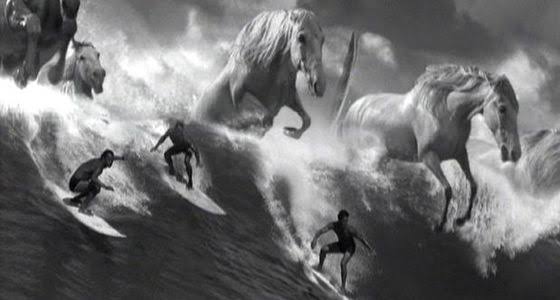
The first of the four ads to have been created during the course of my career, and the only one that I had advised upon, is Guinness Surfer, created by AMV BBDO, the Omnicom agency. The music, the voiceover, but most of all the visual elements of that commercial come together to make a beautiful and powerful commercial, with no sight of a pint of Guinness until the end frame. There is an excellent interview in Campaign with Walter Campbell, the art director behind the commercial. Walter mentions that the 1998 TV ad, Swimblack, became the springboard for Surfer, and I certainly remember advising on the earlier ad. I believe my decisive contribution was to advise that the former champion swimmer must not be shown enjoying his pint of the black stuff until after he had donned his blazer, resplendent with his medals and awards, as a visual indication that he would not be returning to the water after he'd had a drink. And thus, I made my own small contribution to one of the UK's most iconic ads. Ho hum. The good news is that while alcohol advertising is still closely regulated, there are no additional restrictions introduced since 1998 which would impact upon Surfer today. The only difference is that Clearcast and the ASA may apply the same rules more conservatively today.
Cadbury Gorilla (2007)
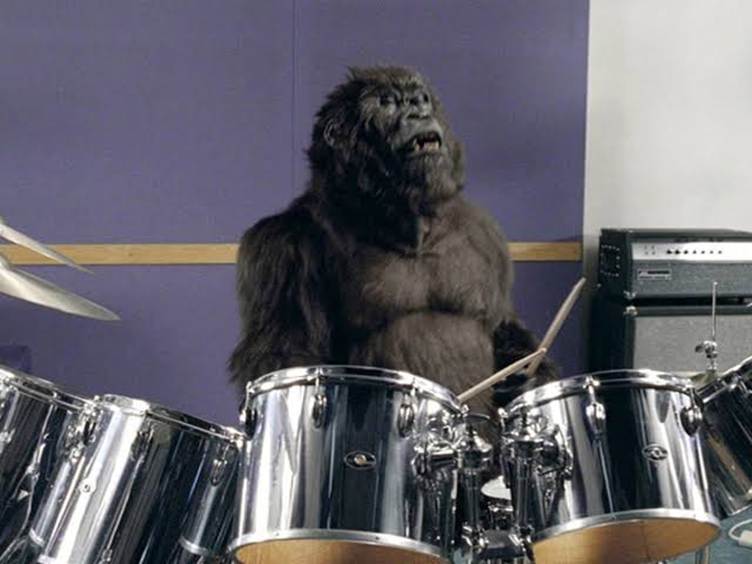
Finally, we come to Cadbury Gorilla, made by Fallon, part of the Publicis Groupe. It is slightly concerning that the most recent entry into this short list was made almost 20 years ago. I'm not sure that I really appreciated the quality of the commercial at the time, but this article published by D&AD tells the story of the ad and helps to explain its genius. One of its notable features is that it was made with a man wearing a gorilla suit; a very good gorilla suit, but a gorilla suit, nonetheless. It's vaguely reminiscent of the ending of Trading Places. No CGI. No AI. Just good old-fashioned craft skills. However, with the advent of the new restrictions on the advertising of Less Healthy Foods, Gorilla would now be subject to severe media restrictions, comprising a ban on TV advertising before 9pm, and a 24/7 ban on online advertising. Will these restrictions move the dial on childhood obesity? Probably not. Will they enable politicians to claim that they've taken decisive action on this important issue? Definitely.
Tighter regulation or fewer shared media experiences?
So, are tighter restrictions on advertising the reason why 3 of these 4 ads would no longer be broadcast today, or subject to significant media restrictions at the very least? Yes and no. One of the other HAT Trustees, Orlando Wood, pointed out to me that British adults increasingly consume commercial media on their own and the IPA has published a report into this issue, Making Sense: The commercial media landscape 2026. Simon Frazier, Associate Director and Head of Marketing & Data Innovation explains it well, "Consider a Saturday night in a family home in the late 1980s and everyone would possibly be glued to Beadle's About, sharing anecdotes and bonding over a shared experience. Compare that to today, when the likelihood is that the family will be on multiple screens in different rooms of the house, each engaging with things relevant to their interests. There is greater connection than ever before to the digital realm, but the shared media experience is increasingly under pressure." Against that background, perhaps it's just the economic realities that explain why there is now less investment in the kinds of ads that achieve iconic status and retain it 50 years later.
You can keep your HAT on.
What can HAT do for you? HAT provides a range of Archive Services that help agencies to win pitches and brands to preserve their heritage. If you'd like to know more, please contact me or get in touch with HAT.

