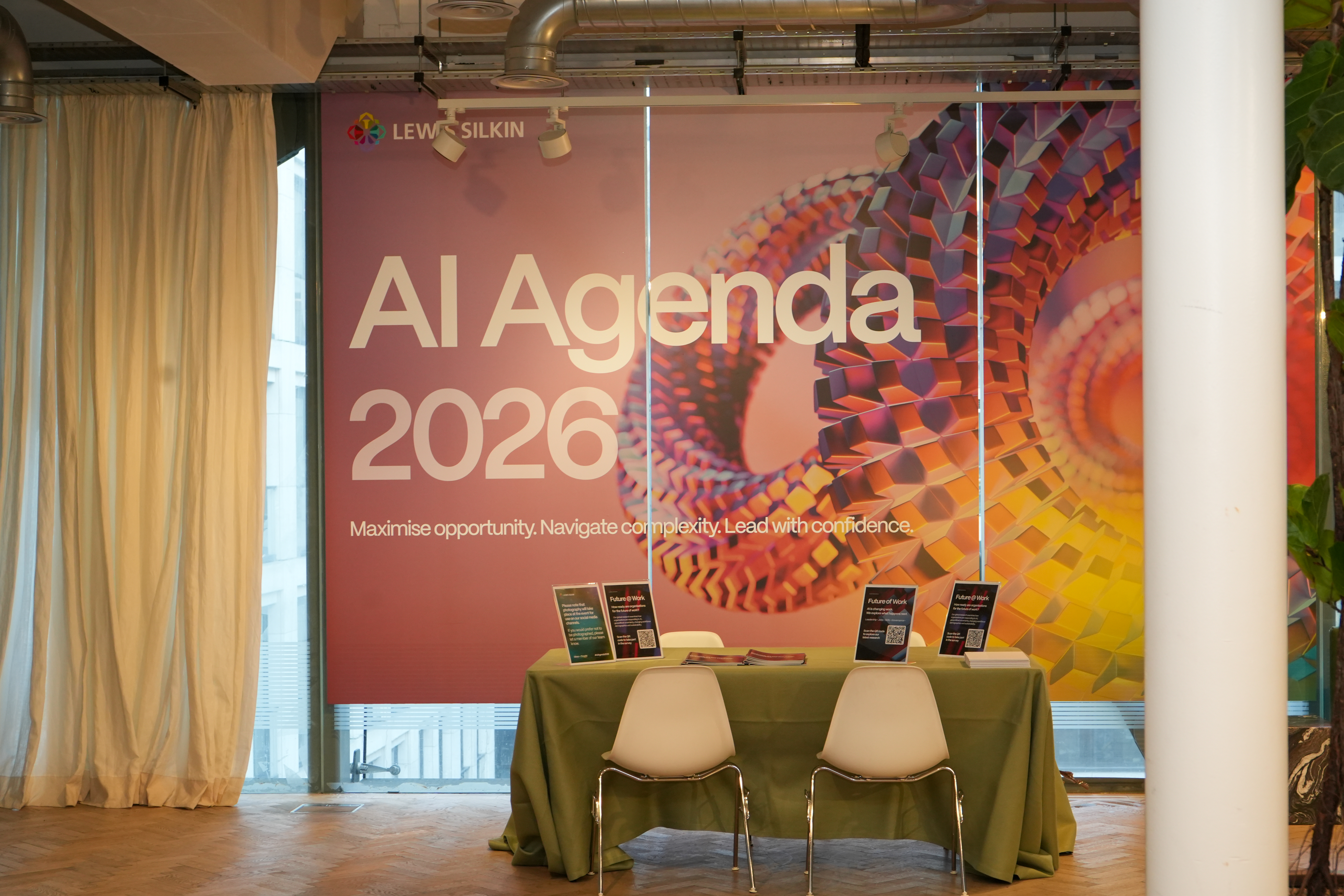
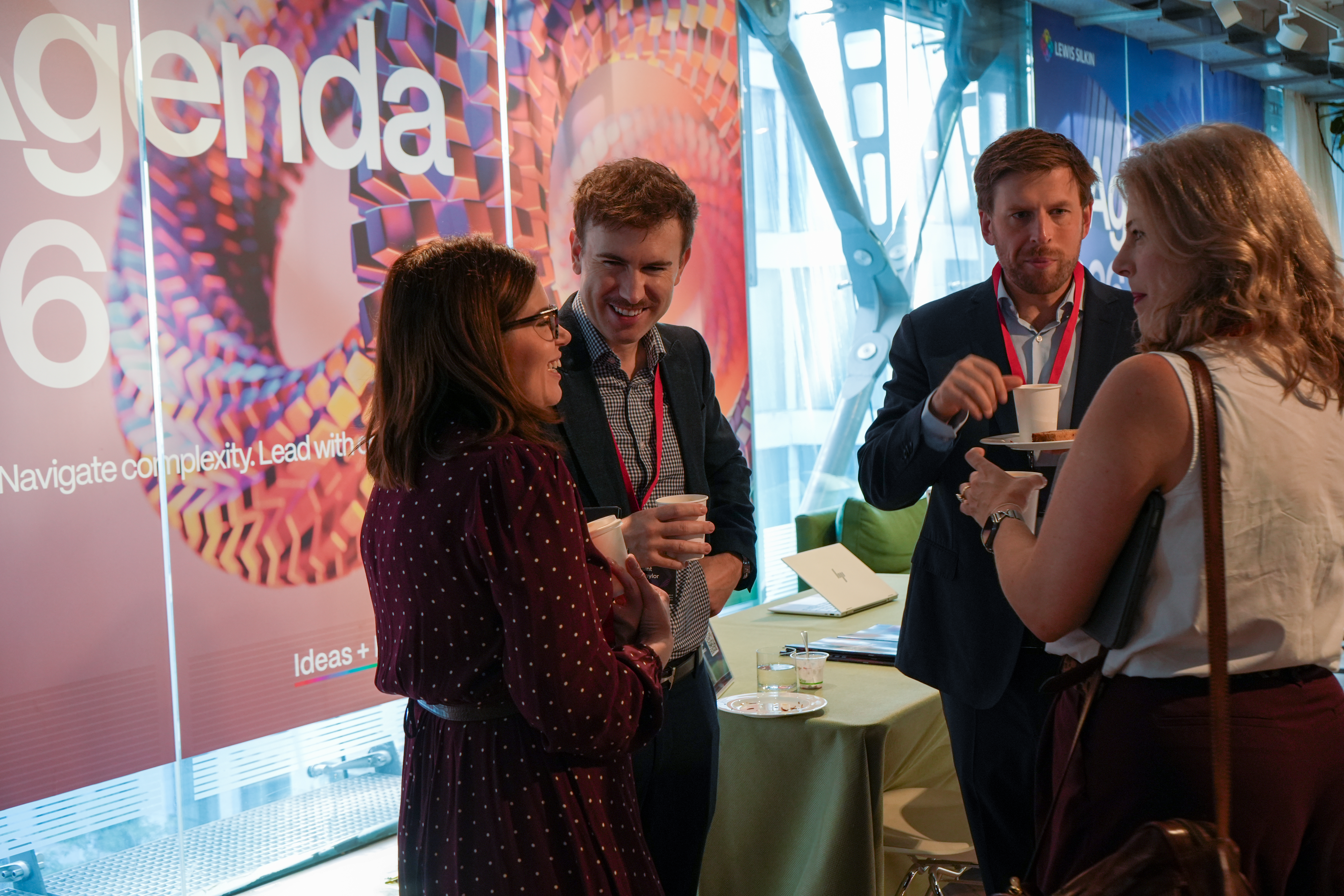
In September 2026, we welcomed senior leaders, legal experts, compliance professionals and technology decision-makers to AI Agenda 2026 at 180 Studios in London.
Now in its second year, AI Agenda brought together voices from business, technology, policy and law to explore a question that ran through the entire programme: as AI becomes part of business as usual, what do organisations need to get right?
The discussions reflected just how quickly the conversation is evolving. Organisations are no longer focused on whether AI has potential. Instead, attention is turning to implementation: how AI is adopted, governed and embedded into day-to-day operations in ways that support innovation, manage risk and create long-term value.
From agentic AI and regulation to leadership, culture and workforce impact, the sessions explored the opportunities and challenges facing organisations as AI moves from experimentation into practice.
What we heard throughout the day
Across the programme, three themes emerged consistently.
- Governance enables innovation. As AI becomes embedded in business operations, governance is increasingly being viewed as a foundation for adoption rather than a barrier to it.
- AI risk is already here. Discussions focused less on hypothetical future challenges and more on the practical legal, regulatory and commercial risks organisations are managing today.
- People remain central. From leadership and culture to professional judgement and workforce impact, successful AI adoption depends as much on people as technology.
Session insights
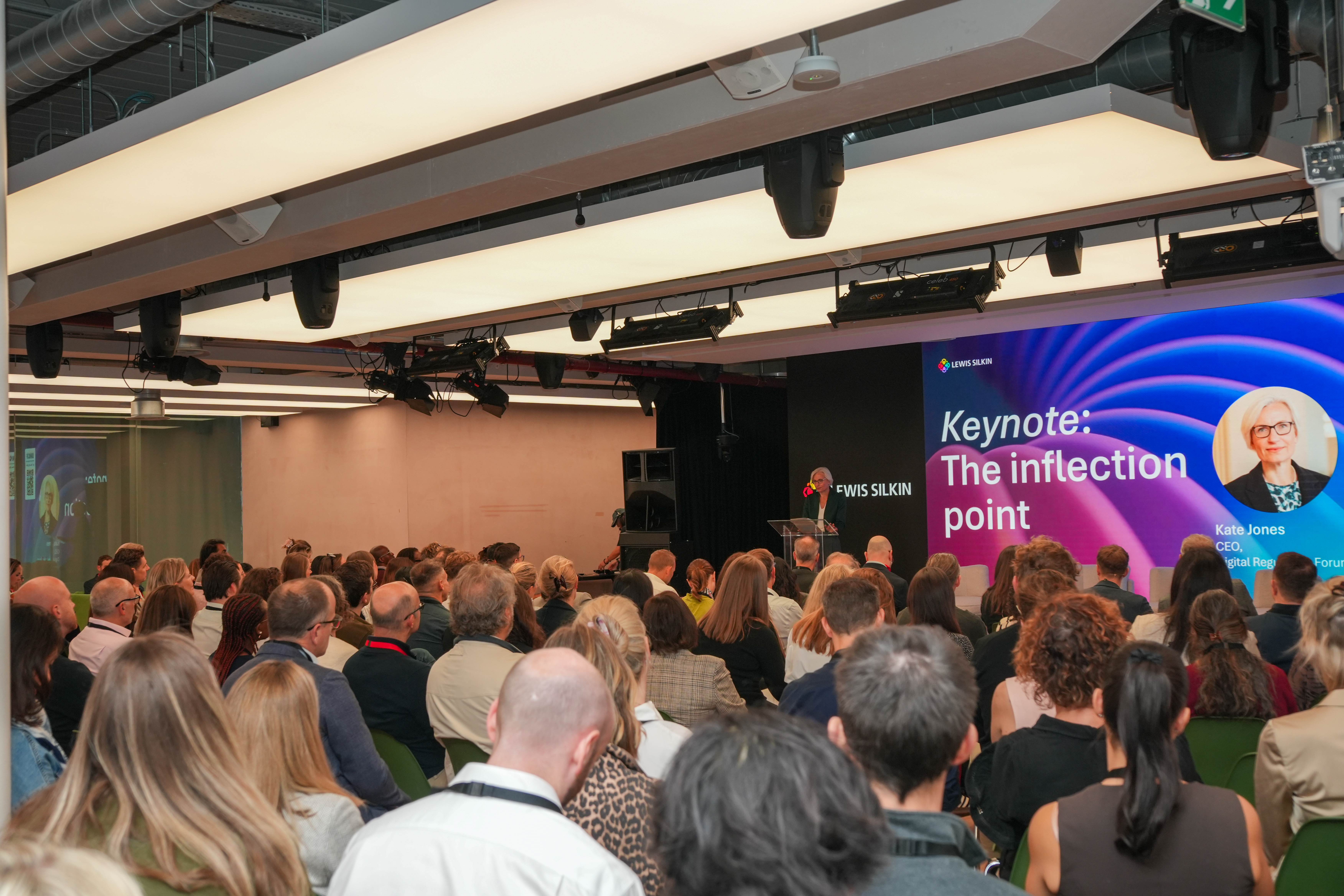
Keynote: Kate Jones, CEO, Digital Regulation Cooperation Forum
Opening the day, Kate Jones explored the role of governance in enabling responsible innovation and challenged organisations to think beyond compliance. Looking ahead to the rise of agentic AI and autonomous systems, she argued that the governance structures being built today will help shape how confidently organisations can adopt AI in the future.
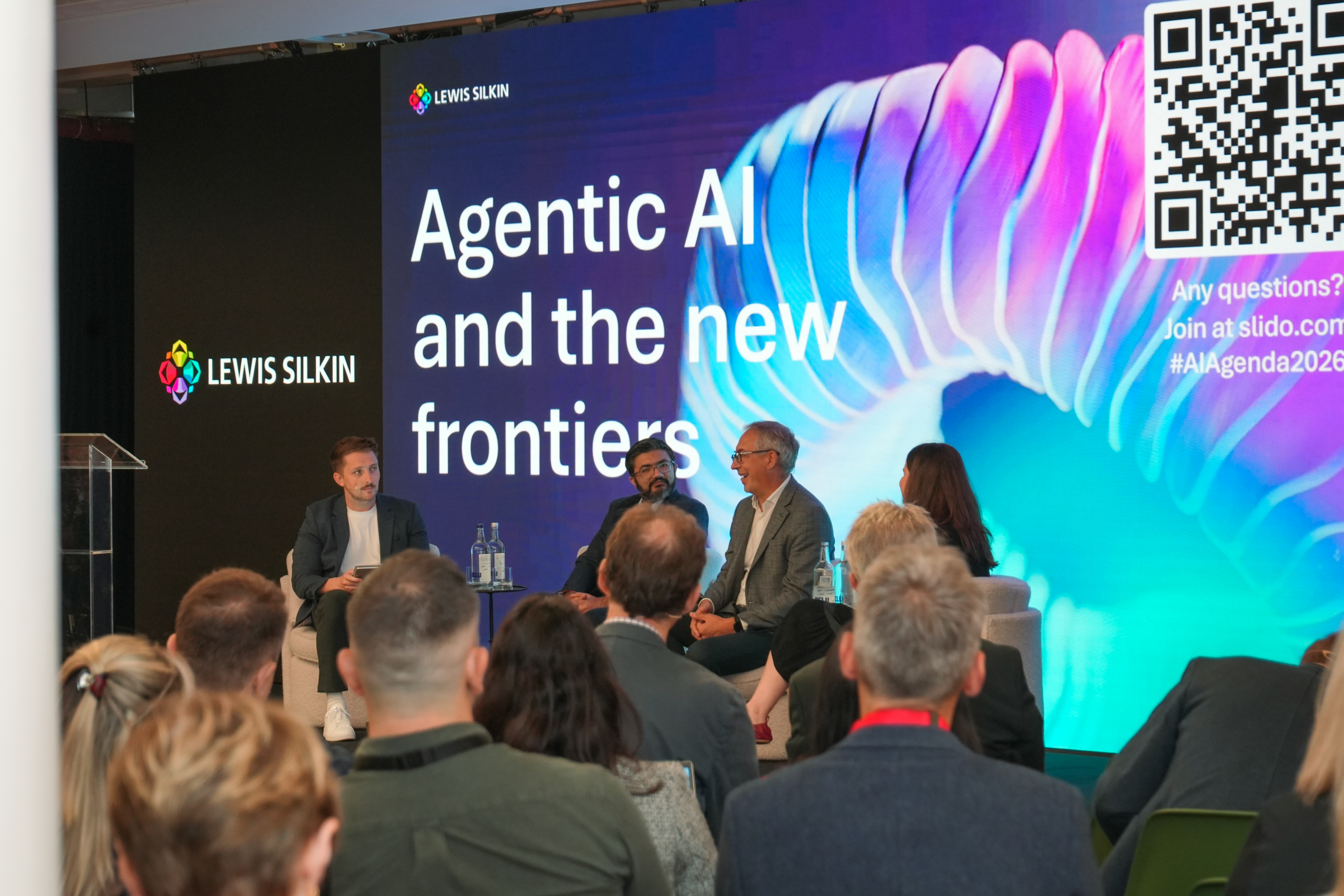
Agentic AI and the new frontiers
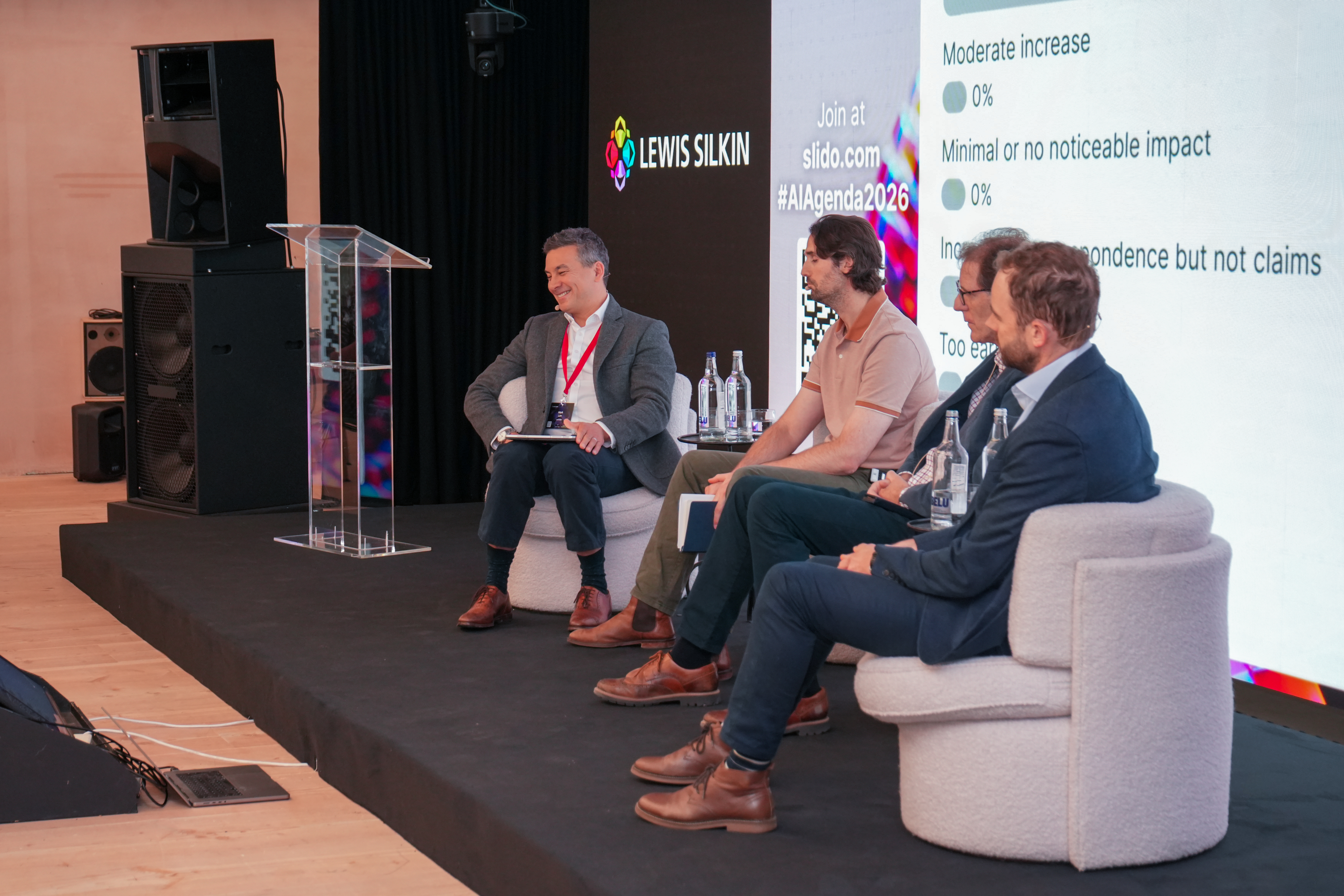
As discussion around agentic AI accelerates, this panel explored what these technologies are, where organisations are already beginning to use them, and what opportunities and risks they present. The conversation covered autonomous systems, voice AI, synthetic media and the practical challenges of separating genuine business value from hype.
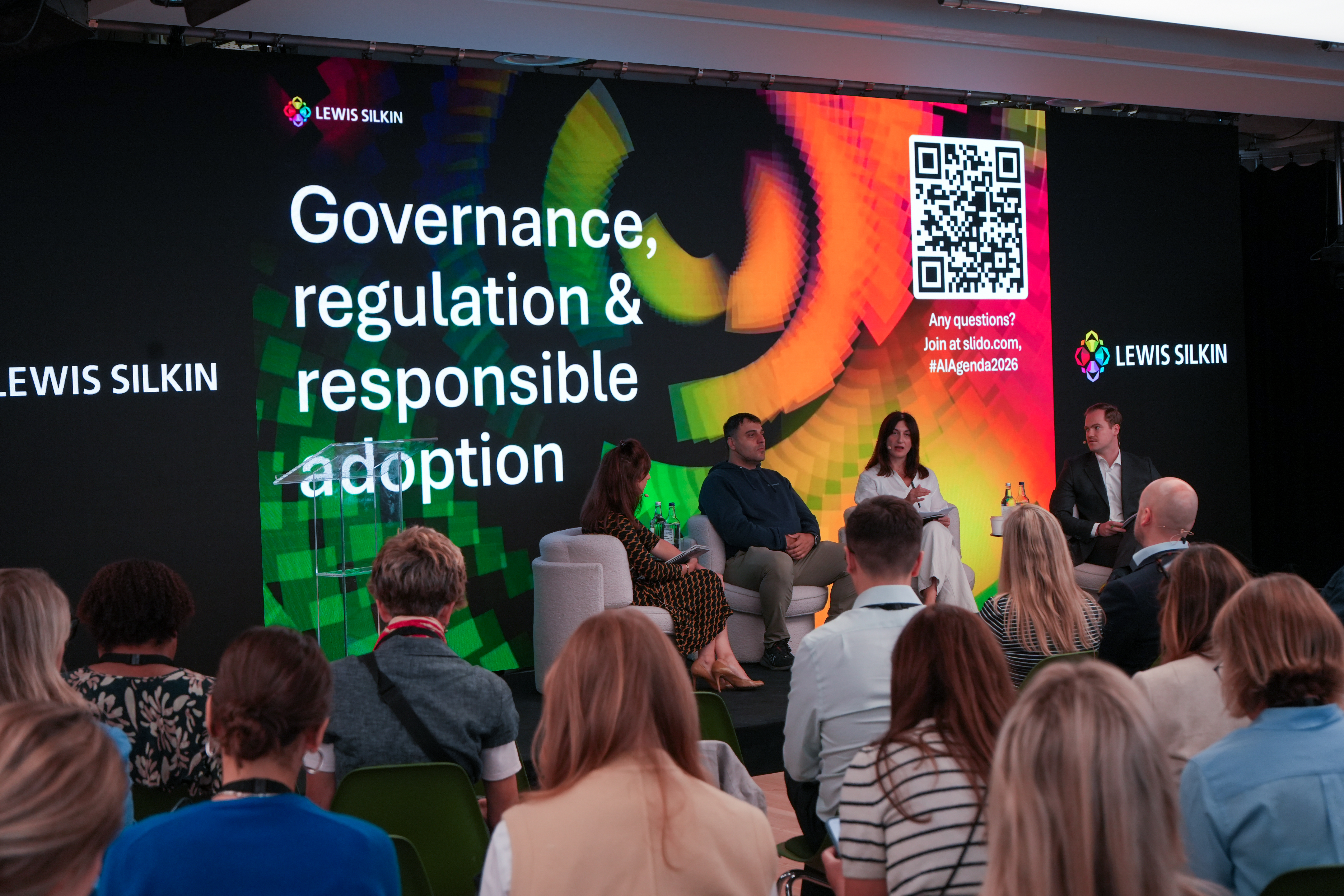
Governance, regulation & responsible adoption
Bringing together perspectives from regulation, technology and governance, this discussion focused on what responsible AI adoption looks like in practice. Panellists explored the evolving regulatory landscape, accountability across the AI supply chain and the steps organisations can take to build appropriate governance frameworks while continuing to innovate.
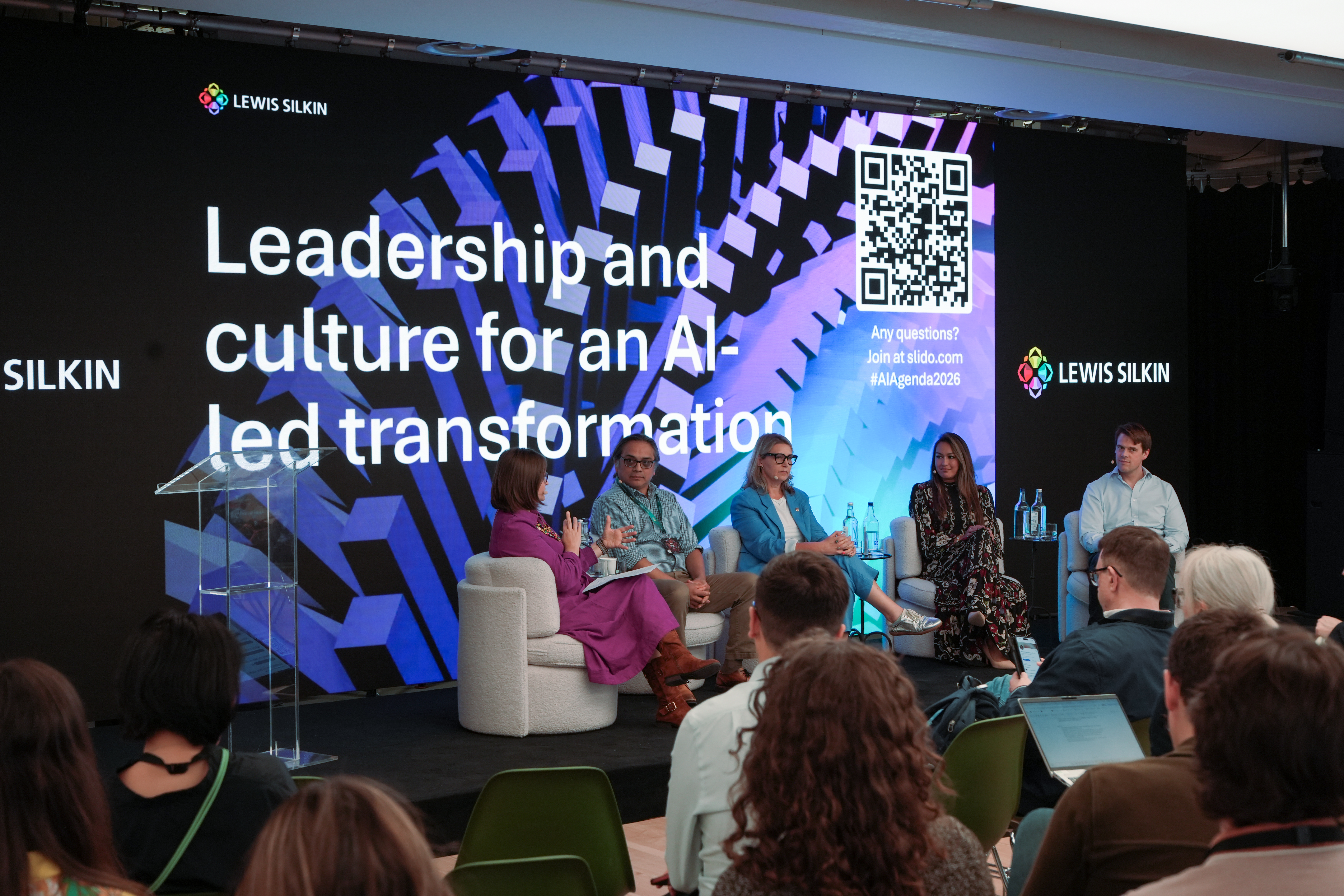
Leadership and culture for an AI-led transformation
This closing plenary examined the organisational realities of AI adoption. The discussion explored leadership, culture, trust, accountability and workforce readiness, highlighting the role these factors play in determining whether AI initiatives successfully scale beyond experimentation.
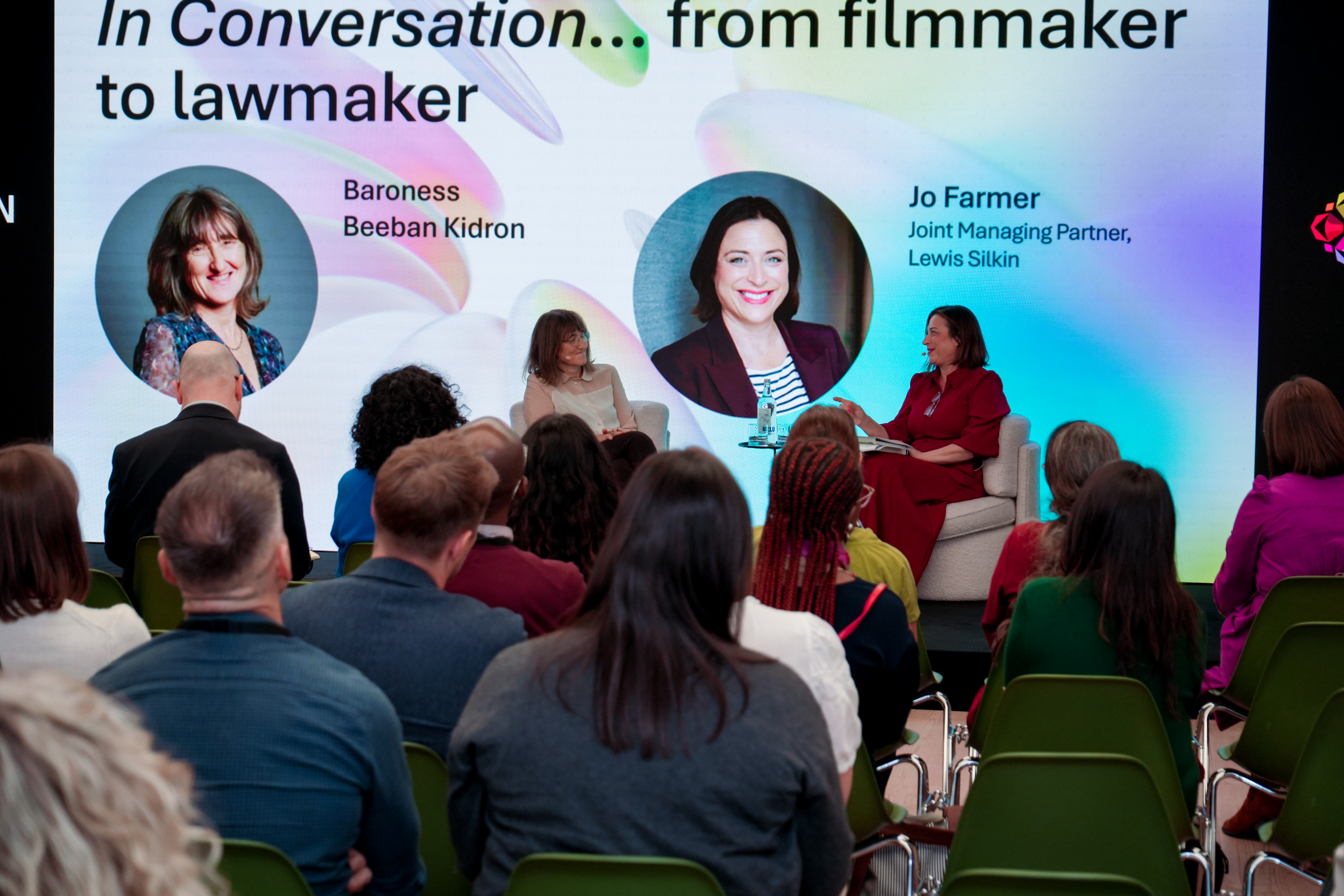
In Conversation with Baroness Beeban Kidron
Drawing on her experience as a filmmaker, campaigner and policymaker, Baroness Kidron reflected on the lessons of previous technological revolutions and the growing importance of governance, accountability and public trust. The discussion challenged organisations to consider not only what AI can do, but how its development and deployment should be shaped.
Breakout sessions
Alongside the plenary programme, attendees participated in a series of specialist breakout sessions exploring the legal, commercial and operational realities of AI adoption.
Litigation in the age of AI
From hallucinated citations to AI-generated evidence and disclosure, this session examined how the use of AI is creating new challenges for disputes and litigation, and explored what legal teams need to consider as these issues become increasingly common.
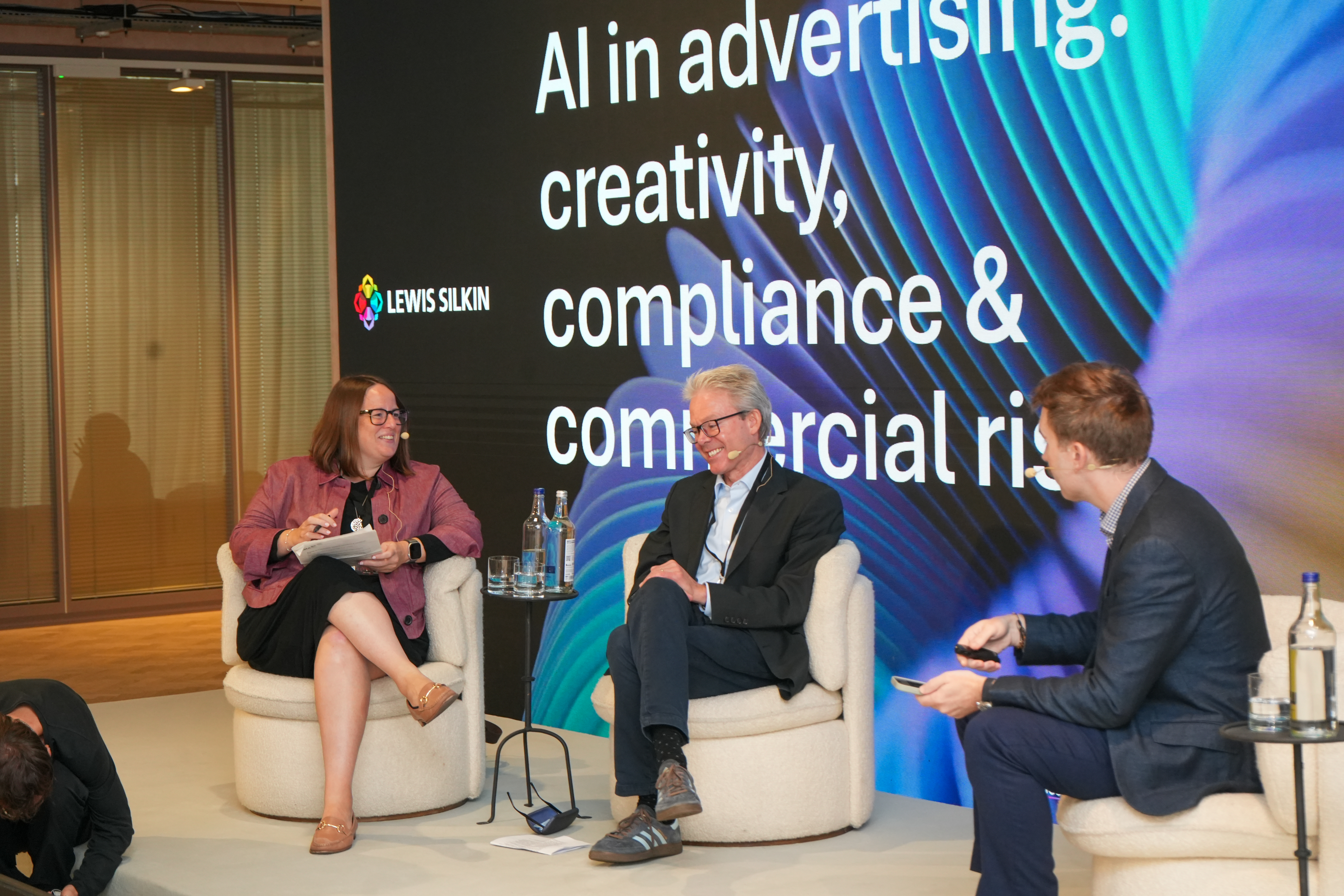
AI in advertising: creativity, compliance & commercial Risk
This session explored the legal and regulatory implications of AI-generated advertising and content. Discussions covered synthetic media, deepfakes, consumer protection and the practical challenges of balancing innovation with compliance.
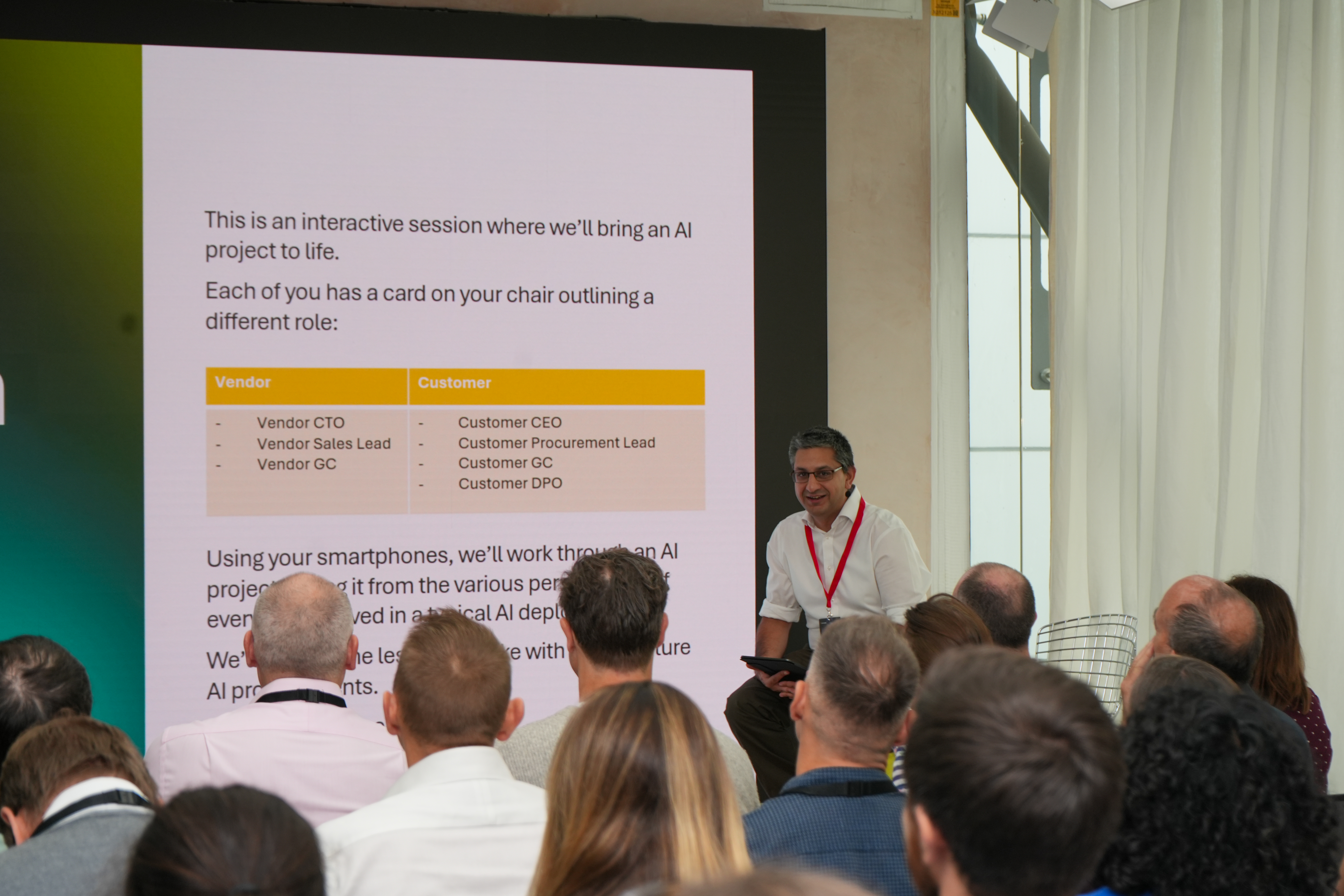
Procurement & vendor assurance
A practical masterclass on evaluating AI suppliers, testing vendor claims and managing risk through procurement processes, governance controls and contractual protections. Attendees gained practical insights into selecting and governing AI technologies effectively.
Explore our AI Academy On-demand training
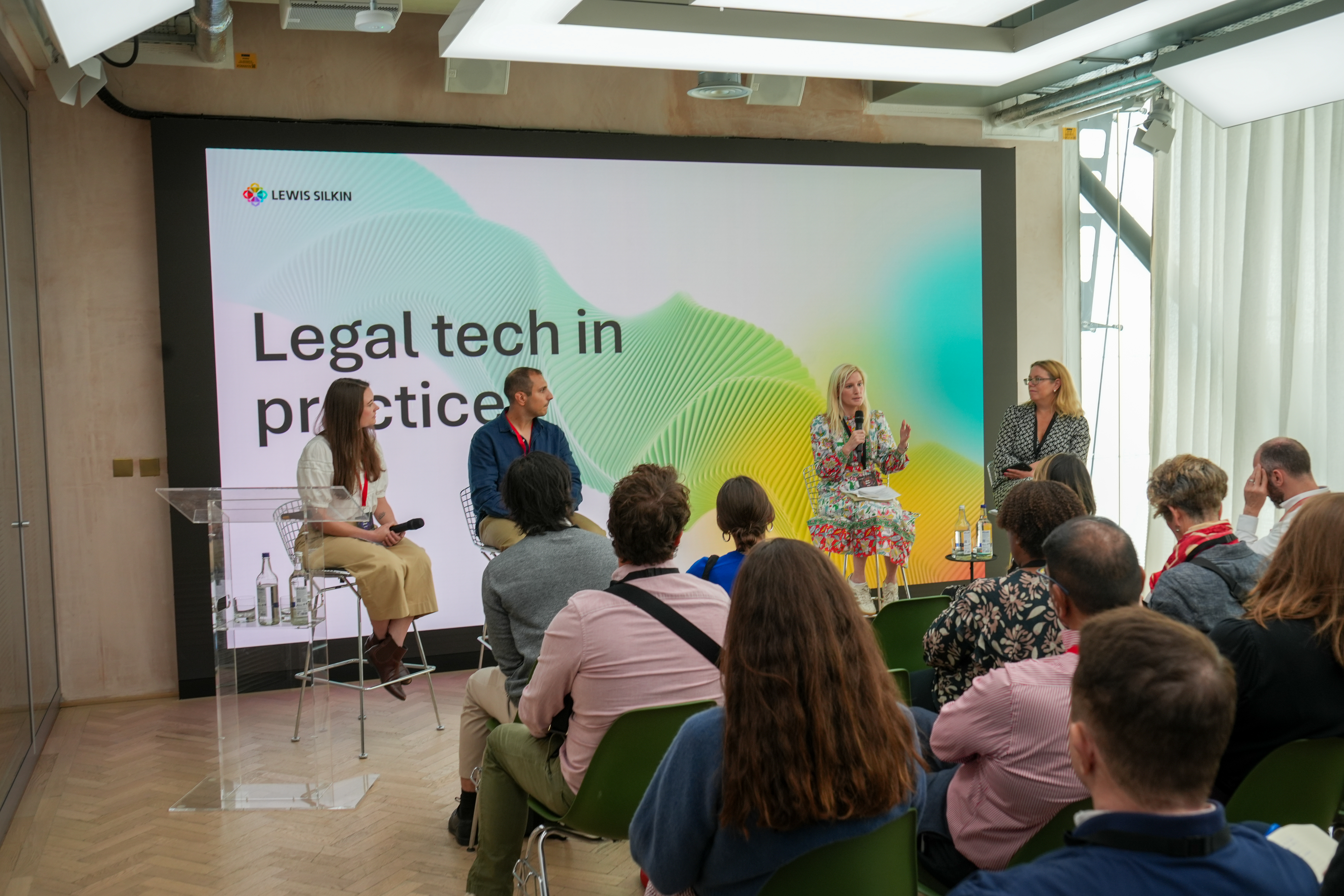
Legal Tech in practice
How are organisations actually deploying AI within legal functions? This session shared practical experiences of implementation, exploring what is working, where challenges remain and how legal teams are balancing AI tools with human expertise.
IP & AI: when innovation becomes infringement
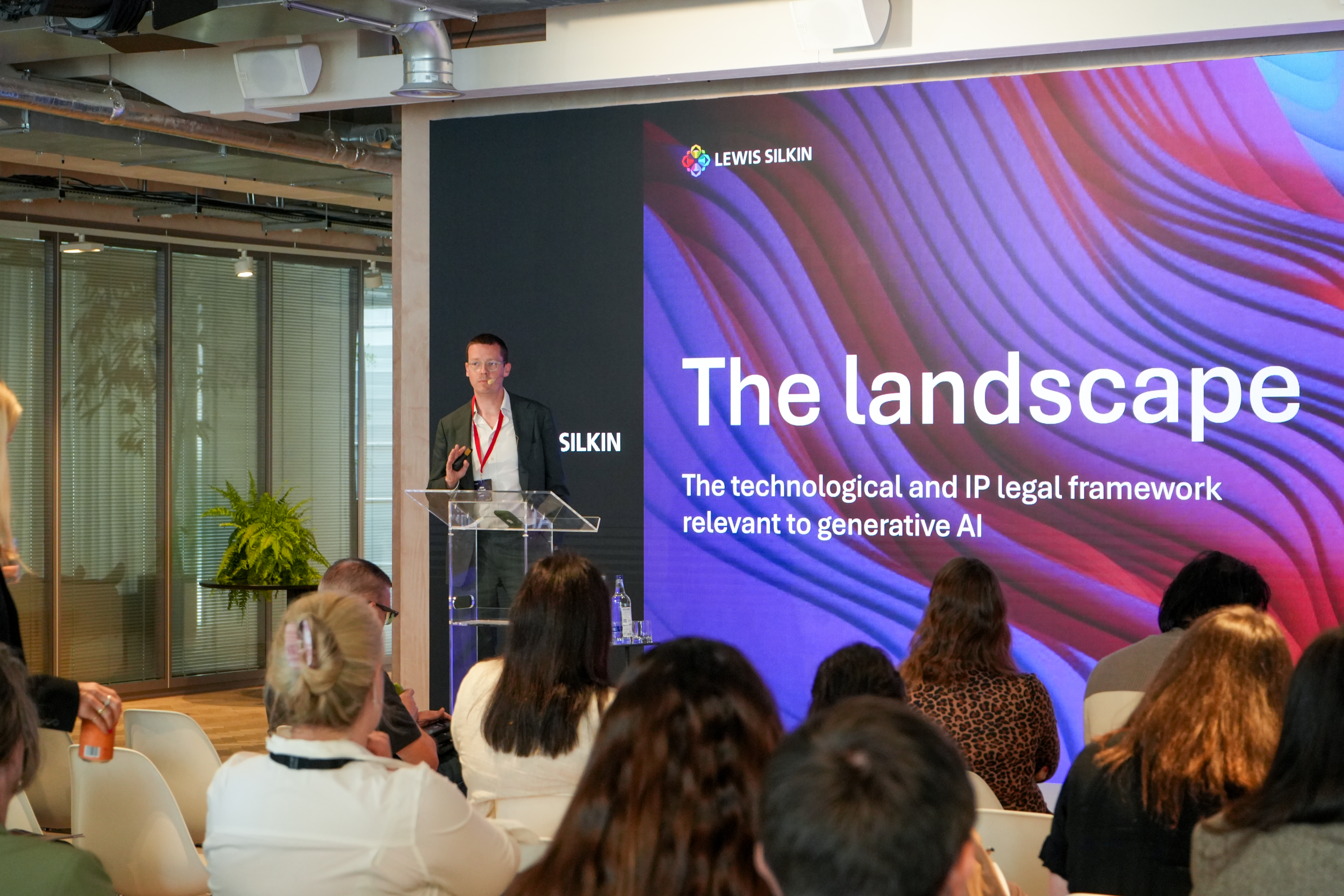
Focusing on generative AI and intellectual property, this session explored the emerging legal risks surrounding AI-generated outputs and examined how existing IP frameworks are being tested by rapidly evolving technologies.
Managing AI risk in the workplace
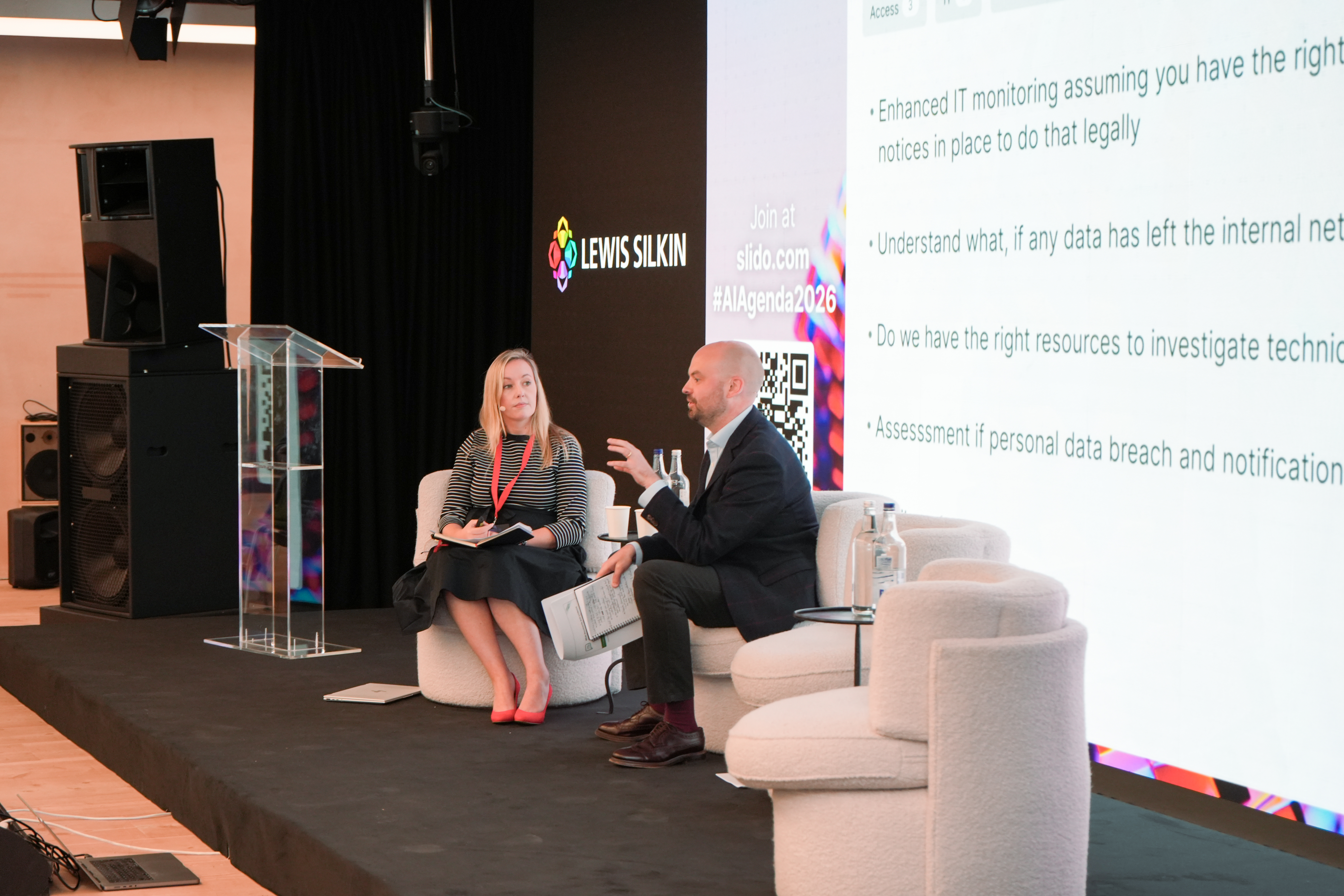
Using practical case studies, this session explored workplace governance, data protection, confidentiality and employee use of AI tools. Discussions focused on the controls and safeguards organisations need as AI becomes part of everyday working practices.
Coming soon
Continue the conversation
AI Agenda 2026 reinforced that the challenge facing organisations today is no longer simply understanding AI. As these technologies become embedded into everyday business operations, leaders must make decisions about governance, risk, leadership, culture and workforce impact, often at pace.